Sea trial checklist you can actually use: 12 things to test before you fall in love with the upholstery
Sea Trial Checklist You Can Actually Use: 12 Things To Test Before You Fall In Love With The Upholstery
A sea trial is the most important “test drive” you’ll take before buying a boat or yacht. The finish, fabrics, and lighting might win you over at the dock, but performance, safety, and comfort on the water are what truly matter.
Use this practical, real-world sea trial checklist to evaluate any vessel—from a 24’ sport boat to an 80’+ motor yacht—before you sign.
1. Start With a Proper Pre-Departure Walkthrough
Before you leave the dock, slow down and inspect:
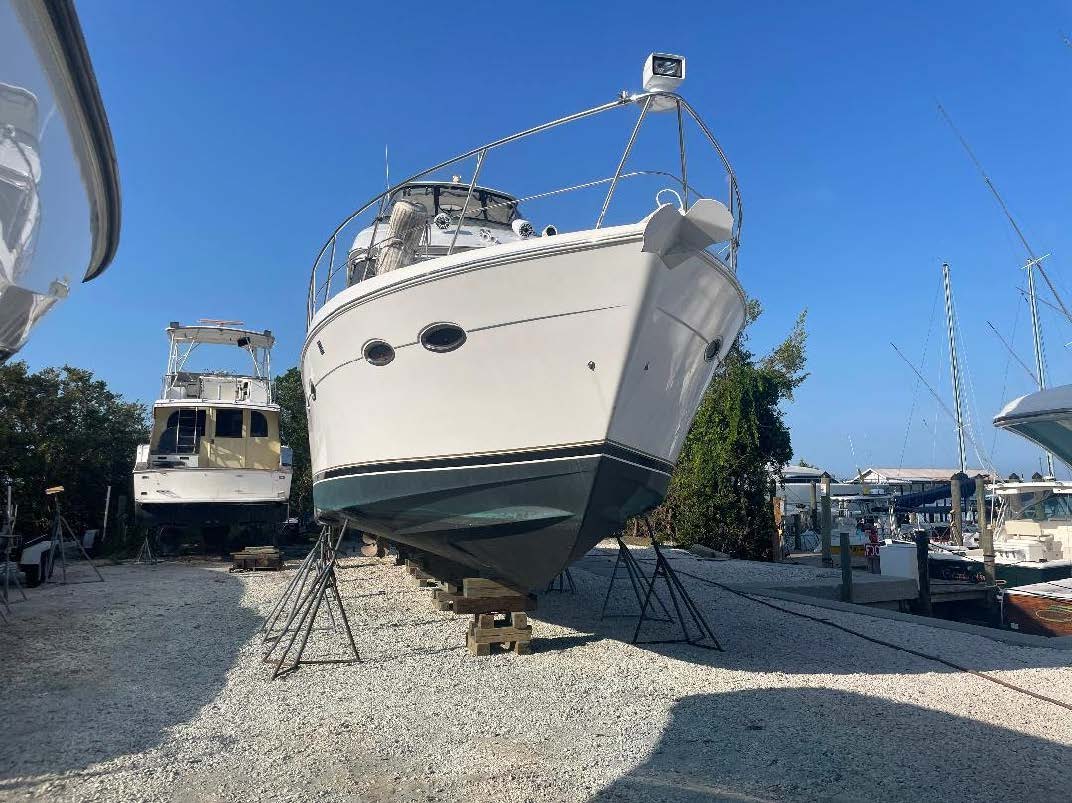
- Hull and topsides for obvious damage, repairs, or mismatched paint/gelcoat
- Propellers, shafts, and drives for nicks, bends, excessive corrosion
- Intakes and thru-hulls (visible ones) for fouling and loose fittings
- Trim tabs and rudders for smooth operation and secure mounting
Ask the broker or owner what recent maintenance has been done and what’s coming due. This helps you understand not just how the boat runs today, but what to expect over the next 12–24 months.
2. Test Cold Start and Engine Behavior
If possible, be present when engines are started cold, not pre-warmed.
Pay attention to:
- How quickly they start and whether it takes multiple attempts
-
Smoke color at start-up
- White: may be condensation, but persistent white can signal issues
- Blue: often oil burning
- Black: excess fuel or restricted air
- Idle smoothness and vibration
- Engine alarms or fault codes on digital displays
Engines that start easily, idle smoothly, and settle quickly to normal operating RPM and temperature are a good sign of proper care.
3. Run Through the RPM Range, Not Just “Cruise”
Too many buyers spend five minutes at idle and five minutes at cruise. A proper sea trial should include:
- Idle in gear: Check for vibration, clunking, or hesitation when shifting
- Slow planing speeds: Does the boat labor or struggle onto plane?
- Recommended cruise RPM: Confirm the advertised cruise speed and fuel burn feel realistic for the hull and conditions
- Wide-open throttle (WOT): Weather and safety permitting, verify the engines can reach the manufacturer’s rated RPM range
Note any:
- Lag in acceleration
- Unusual noises at specific RPMs
- Steering pull or difficulty maintaining a straight line
If the boat can’t reach proper WOT RPM with a normal load, you may be looking at issues with propellers, hull growth, overloading, or even engine health.
4. Check Steering, Tracking, and Handling
Good handling matters in both open water and tight marinas.
Test:
- Straight-line tracking: Does the boat wander or require constant correction?
- Turning both directions: Any stiffness, binding, or odd noises?
- Tight turns at speed: Watch for cavitation, loss of grip, or excessive leaning
- Joystick or pod systems: Confirm smooth, intuitive response when docking maneuvers are simulated
You want steering that inspires confidence—not white-knuckle corrections.
5. Test Trim, Tabs, and Running Attitude
A sea trial is your chance to see how the boat behaves in real water, not just on paper.
While running:
- Use trim tabs and engine/drive trim to see how easily you can dial in a comfortable running attitude
- Check visibility from the helm—you should not be staring at the sky during takeoff or losing the horizon over the bow
- Note how the boat lands off waves—firm and predictable is good; hard slamming or excessive spray may signal a mismatch for your typical conditions
If you run in big reservoirs, rivers, or coastal chop, ask to find similar conditions on the trial day, or at least simulate them as best as possible.
6. Inspect Noise, Vibration, and Comfort Underway
A high-end boat should feel solid and refined underway.
Watch for:
- Rattles and squeaks from cabinetry, doors, or hatches
- Vibration felt through the deck, helm seat, or wheel
- Engine and wind noise levels—can you hold a conversation at cruise?
These details affect how enjoyable your time on board will be on a three-hour cruise, not just a quick demo loop.
7. Put Electronics and Navigation Gear to Work
During the sea trial, actively use the electronics:
- Chartplotter: Check screen clarity, brightness in sunlight, and ease of zooming and panning
- Depth sounder / fishfinder: Confirm accurate readings and bottom lock at various speeds
- Radar (if equipped): Turn it on, adjust gain, and see if it paints targets clearly
- Autopilot: If installed, engage it to hold a course and make controlled course changes
Outdated or glitchy systems aren’t deal-breakers, but they may represent a significant upgrade cost you’ll want to factor into your budget.
8. Confirm Safety Systems Are Fully Functional
Safety gear isn’t optional. Verify:
- Bilge pumps run and automatic float switches trigger correctly
- Navigation lights, horn, and wipers work
- Blowers operate on gasoline-powered boats
- Fire suppression systems are in place, in date, and accessible
Ask where life jackets, throwables, and other safety gear are stored. The sea trial is the right time to see how prepared the boat is for the unexpected.
9. Test All Onboard Systems (Not Just Engines)
A modern yacht or cruiser is a floating home. Turn things on and off:
- Generator: Start, load it up with air conditioning or major appliances, and watch voltage stability
- Air conditioning and heat: Confirm strong airflow and reasonable temperature changes
- Water systems: Freshwater pump, faucets, showers, and toilets should operate normally with no pulsing or surging
- Galley appliances: Refrigerator, cooktop, oven, and ice maker if applicable
- Windlass: Lower and raise the anchor under light load to confirm smooth operation
If you plan to entertain or cruise extensively, this systems check is as important as the sea trial itself.
10. Evaluate Deck Layout and Practical Use
Once you’re underway, you’ll quickly see how livable the layout really is.
Ask yourself:
- Is there a safe path from cockpit to bow for crew and kids?
- Are handholds and rails where you naturally reach for them?
- Do doors and hatches stay secure underway?
- Is boarding easy from dock, swim platform, or tender?
This is where you move beyond glossy photos and decide whether the boat truly fits your lifestyle.
11. Assess Comfort at Rest: At Anchor and Slow Speeds
Boats behave very differently at rest than underway.
During the trial, spend time:
- At idle in wind and wake: Does the boat roll excessively, or does it settle quickly?
- At anchor or on a mooring: How does it lie to the wind and current?
- Using stabilizers or fins (if equipped): Turn them on and off to feel the difference
If you’ll spend a lot of time cove-hopping, rafted up with friends, or relaxing on the hook, this is where your comfort really counts.
12. Debrief With Your Broker and Surveyor
After the sea trial:
- Review notes and concerns while they’re fresh
- Ask the marine surveyor (if present) for initial impressions
- Request engine reports, service records, and oil analysis if appropriate for the vessel
A disciplined, step-by-step review keeps you from being swayed by new-boat excitement or showroom upholstery. It also strengthens your negotiating position if issues are found.
Buying a yacht should be exciting, but it should also be informed and methodical. At New Anchor Yacht Sales, we apply the same disciplined, mission-driven process on sea trials that we learned in uniform—so you can make a confident decision on the right boat, not just the best-looking one.
Ready to schedule a sea trial or talk through your next yacht purchase? Contact New Anchor Yacht Sales today and let our veteran team guide you from first viewing to final handshake.