International buying basics: fees, flags, and paperwork that surprise first-time cross-border yacht buyers—and how to prepare
International Yacht Buying Basics: Fees, Flags, and Paperwork That Surprise First-Time Buyers
Buying a yacht across borders opens up more inventory, better pricing, and access to specialty vessels—but it also introduces a new layer of complexity. First-time international yacht buyers are often surprised by the extra fees, flag rules, and documentation required to get their dream boat home legally and efficiently.
Here’s what to expect—and how to prepare—when purchasing a yacht internationally.
1. The “Hidden” Costs of International Yacht Purchases
The sticker price is only part of the story in a cross-border yacht transaction. Build a clear budget that includes these common—but easily overlooked—fees.
Import duties and taxes
Depending on where the yacht is currently flagged and where you plan to keep it, you may face:
- Import duties – Often calculated as a percentage of the vessel’s value
- VAT or GST – Value Added Tax or Goods & Services Tax in many countries
- State or regional taxes – In the U.S., states may assess use tax or sales tax when you bring the yacht into their waters
Surprises often happen when:
- A buyer assumes the seller’s taxes transfer (they usually don’t)
- The yacht has been used tax-free under a temporary import or charter scheme
- A vessel enters U.S. waters without properly declaring value and paying duty
Preparation tip: Before you sign a contract, clarify:
- Where the yacht is currently located
- Where you’ll first import it
- Where you’ll primarily use or keep it
Then work with a broker and customs professional to estimate all duties and taxes in advance.
Currency exchange and bank fees
If you’re buying in another currency, even a small exchange rate shift can change your total cost by thousands of dollars. You may also encounter:
- Wire transfer fees (on both sending and receiving ends)
- Currency conversion fees
- Bank compliance checks and holding periods
Preparation tip: Lock in currency expectations early and ask your yacht broker or financial institution about strategies to reduce exchange risk and transaction costs.
Survey, haul-out, and travel costs
An international marine survey is nonnegotiable. Plan for:
- Survey fees (often higher in remote or high-demand markets)
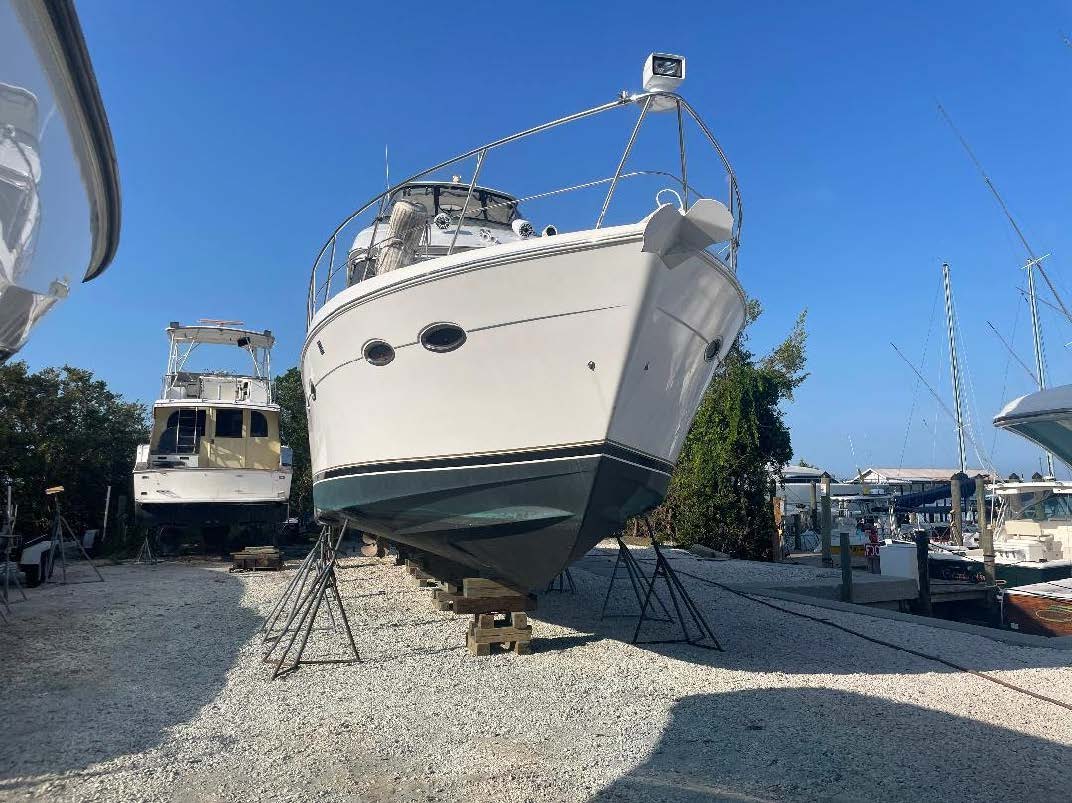
- Haul-out costs to inspect the hull
- Travel costs if you want to attend the survey and sea trial in person
Preparation tip: Build survey-related travel and local service costs into your initial budget; don’t treat them as “extras.”
Transport and delivery expenses
Getting your yacht home can be one of the largest line items, especially for long-distance or overseas purchases. Options include:
- Professional captain delivery (coastal or bluewater passages)
- Overland transport for smaller vessels
- Dock-to-dock shipping or yacht transport services for larger boats or transoceanic moves
- Insurance specifically covering the delivery voyage or transport
Preparation tip: Request transport quotes early in your search. Distance, route, and season all impact cost and timing.
2. Flags and Registration: Whose Laws Apply?
How you register and flag your yacht affects taxes, regulations, and your cruising freedom.
What is a “flag state” and why does it matter?
The flag you fly is more than a national symbol. It determines:
- Safety and equipment standards
- Inspection requirements
- Crewing rules (for larger or commercial yachts)
- Where and how you can charter the vessel
- Liability and legal jurisdiction in disputes
Common choices include:
- U.S. registration (via the Coast Guard for documented vessels)
- Foreign registries (e.g., Cayman Islands, Marshall Islands, British Virgin Islands)
- Local national registries where you plan to keep the boat
Private use vs. commercial registration
First-time buyers are often caught off guard by charter-related rules:
-
Registering as a commercial vessel to run charters can create:
- Stricter safety and manning requirements
- Different tax treatment
- Restrictions on personal use in some jurisdictions
- Registering as a pleasure vessel simplifies life for private owners but usually prohibits commercial charters.
Preparation tip: Decide early whether you’ll use the yacht strictly for private enjoyment or also for charter. This affects the best flag, structure, and paperwork.
Changing flags and re-registration
If you buy a yacht flagged abroad and intend to reflag it (for example, to U.S. documentation), you may need to:
- Cancel the prior registration
- Provide original ownership and build documentation
- Comply with tonnage and measurement requirements
- Update marking, name, and home port on the hull
Preparation tip: Build time into your closing timeline to complete re-registration. This process can’t always be rushed, especially with foreign registries.
3. Paperwork That Catches First-Time International Buyers Off Guard
A cross-border yacht purchase involves more than a bill of sale. Expect a more formal and document-heavy process than a purely domestic transaction.
Core transaction documents
At minimum, you should have:
- Brokerage purchase and sale agreement with clear international terms
- Bill of sale meeting the requirements of the new flag state
- Proof of ownership chain (to verify there are no gaps in title)
- Release of any liens or mortgages on the vessel
In some jurisdictions, title is not as standardized as in the U.S., making due diligence critical.
Compliance, safety, and customs documentation
Depending on the vessel’s age, origin, and destination, you may also need:
- Builder’s certificate or original registration
- Tonnage and measurement certificates (especially for larger yachts)
- Compliance documentation (such as CE certification in Europe)
- Previous and new registration certificates
- Customs import documents and proof of duties/taxes paid
- Insurance certificates, including coverage for delivery
Preparation tip: Confirm early that the seller can provide a clean chain of documents. Missing paperwork can delay or derail closing.
Power of attorney and representation
When you’re buying from another country, you may not be physically present for:
- Document signing
- Notarization or apostille
- Closing and registration filings
In these cases, a limited power of attorney is often used so your broker, attorney, or trusted representative can sign and process documents on your behalf.
Preparation tip: Work with a brokerage that regularly handles international transactions and already has vetted procedures for remote closings.
4. How to Prepare for a Smooth Cross-Border Yacht Purchase
The most effective way to avoid surprises is to build a disciplined, step-by-step plan.
Assemble the right team
For an international yacht purchase, you’ll typically want:
- An experienced yacht broker with cross-border transaction experience
- A qualified marine surveyor in the vessel’s location
- A maritime or closing attorney (depending on deal complexity)
- A customs broker or agent for import and duty questions
- A transport or delivery captain to move the yacht safely
Clarify your mission and home base
Before you fall in love with a specific vessel, define:
- Where you’ll primarily keep and use the yacht
- Your cruising grounds (inland, coastal, offshore, international)
- Whether you plan private use only or charters as well
- Your 3–5 year ownership horizon
This helps your team structure the transaction, flagging, and tax planning around your real-world plans.
Demand transparency at every stage
A disciplined, military-style approach to documentation and process protects you from costly surprises:
- Get all cost estimates in writing
- Clarify who pays which fees in the purchase agreement
- Confirm all liens are cleared before closing
- Insist on proper survey and sea trial windows
- Keep a single, organized record of all documents
Considering an International Yacht Purchase?
New Anchor Yacht Sales helps first-time and seasoned buyers navigate cross-border yacht transactions with clarity and confidence—from selecting the right vessel and flag to coordinating surveys, customs, transport, and professional captain services.
Contact us today to discuss your international buying plans and build a clear, step-by-step mission plan for your next yacht.